Guide to Locating the Correct General Contractor for Your Next Home Project
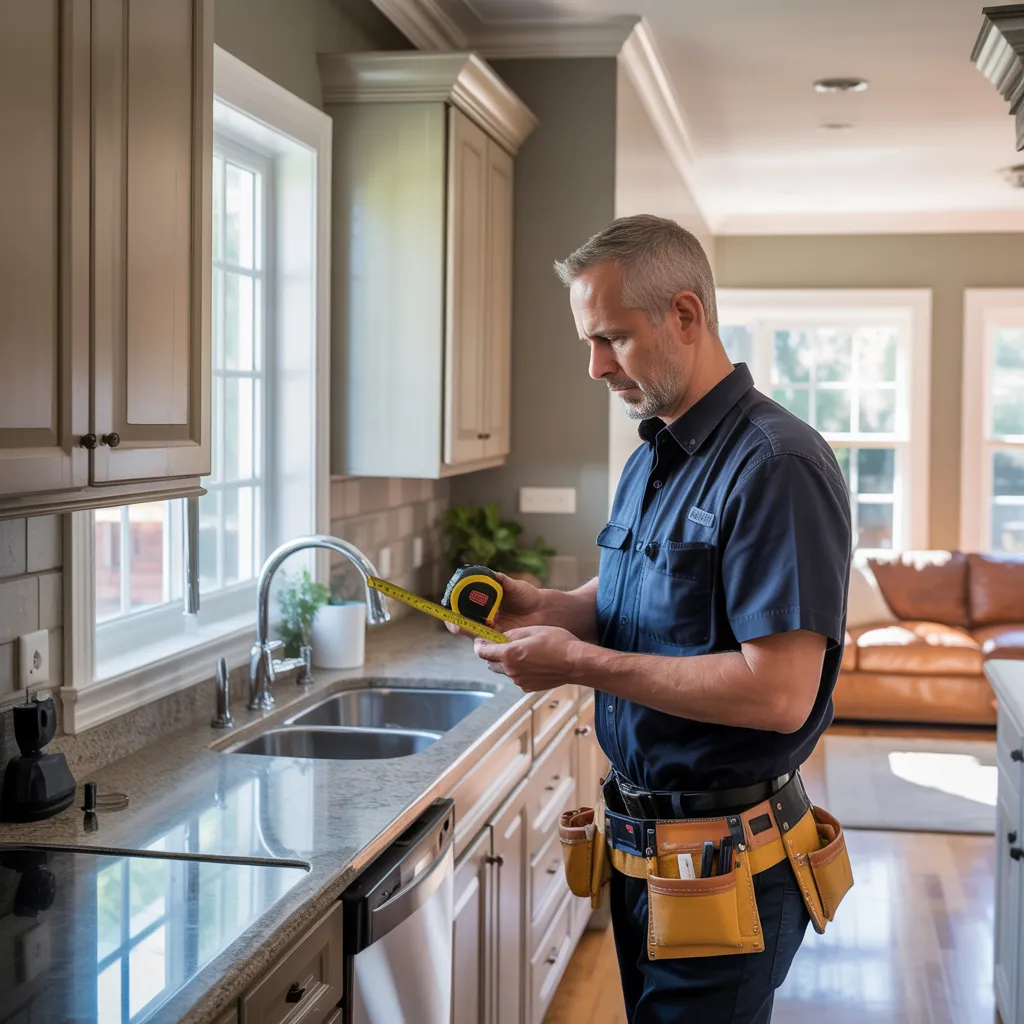
Finding the most appropriate construction expert for your residential work is a essential choice. It entails detailed consideration of numerous factors, including work background, certifications, and listening and responding abilities. Countless homeowners neglect important points, causing major financial setbacks. Grasping how to analyze candidate professionals can yield significant results. By prioritizing core criteria and requesting appropriate responses, you can navigate this demanding process more effectively. What are the key procedures to verify a productive relationship?
How to Prevent Usual Traps When Selecting a Contractor
When engaging a builder, how can one cope with the breadth of possibilities without triggering typical mistakes? Prospective clients frequently overlook key points that can bring about unsatisfactory outcomes. First, considering price alone can be deceptive; the lowest bid may signify subpar quality or extra charges. Additionally, failing to verify testimonials or web feedback can result in hiring a contractor with a poor track record. It is also crucial to avoid choosing only because of charm; a personable contractor may not possess the necessary skills or reliability. Moreover, overlooking clear communication and requirements can result in conflicts and unhappiness. Finally, failing to read contracts carefully before approval can result in unexpected obligations or lack of protection. By being careful and knowledgeable, homeowners can make more confident decisions, finally achieving a positive result.
Standards for Assessing a Contractor's Experience
When analyzing a contractor track record, many important considerations apply. Relevant project experience, technical certifications, and an substantial portfolio of accomplished tasks represent vital signs of their capabilities. Examining these features can present valuable insights into the contractor's suitability for the targeted project at hand.
Relevant Project Experience
Comprehending a contractor's relevant project experience is crucial for guaranteeing the positive outcome of any construction project. Prospective clients should assess the contractor's body of work, concentrating on completed projects similar in magnitude and style to their own. This involves examining the caliber of workmanship, compliance to schedules, and financial management in previous undertakings. Furthermore, it is advantageous to inquire about the types of materials used and the contractor's knowledge with local building codes and regulations. Testimonials and references from past clients can provide understanding into the contractor's dependability and communication skills. In the end, a contractor with considerable relevant experience can address obstacles effectively, ensuring the project meets the homeowner's expectations and criteria.
Professional Certifications And Licenses
Certification and licensing function as essential indicators of a contractor's professionalism and expertise in the construction industry. When selecting a general contractor, it is crucial to confirm that they possess the necessary licenses mandated by local and state regulations. These licenses demonstrate compliance with building codes and safety standards. Additionally, industry certifications, such as those from the National Association of Home Builders or similar organizations, reflect a contractor's dedication to quality and ongoing education. Contractors with specialized certifications may also have expertise in specific areas, such as green building or remodeling. Ensuring that a contractor has the appropriate credentials not only improves confidence in their capabilities but also reduces potential legal and financial risks during the project.
Portfolio Of Finished Work
A contractor's portfolio featuring accomplished projects acts as a essential resource for measuring their expertise and skills. This compilation needs to present a diversity of projects that demonstrate range in different styles and levels of difficulty. When analyzing a portfolio, potential clients should check for high-quality images that clearly illustrate the craftsmanship involved. It is also beneficial to view projects that align with the homeowner's exact needs or aesthetic preferences. Attention to detail, creative solutions, and adherence to timelines are critical indicators of a contractor’s skill. Additionally, client testimonials or case studies included in the portfolio can provide greater insights into the contractor's work ethic and reliability. Ultimately, a robust portfolio can help homeowners make well-informed decisions about their upcoming projects.
How to validate Your Contractor Qualifications and Permits
Before enlisting a general contractor, it is essential to verify their qualifications and certifications to ensure they satisfy industry standards. Commence by reviewing with regional licensing authorities to verify that the contractor possesses the proper documentation for your area and project type. Each state has its own requirements, so familiarizing yourself with them can avoid future problems.
Additionally, seek information regarding insurance protection, encompassing liability and workers' compensation, to confirm protection against potential accidents or damages. Ask for references from former clients and follow up to determine satisfaction and trustworthiness.
At the end, examine any credentials the contractor may hold, as these often demonstrate specialized training and adherence to industry best practices. A systematic verification process not only maintains compliance but also builds confidence in the contractor's ability to deliver the project successfully.
Why Effective Communication Is Important in Your Contractor Working Relationship
Communication that is strong is fundamental in the contractor-client partnership, shaping the project's success from the beginning. Transparent discussion establishes expectations, timelines, and budgets, making certain both parties are aligned on the project's goals. When clients articulate their vision with clarity, contractors can provide well-informed recommendations and solutions, enhancing the overall result.
Frequent updates and open channels of contact enable quick handling of issues as they develop, curtailing likely holdups. Additionally, a professional who listens to and addresses customer concerns builds confidence, which is paramount for teamwork.
Furthermore, efficient communication assists with managing alterations and surprise obstacles, holding the undertaking on course. It permits the builder to adapt approaches based on customer feedback, securing satisfaction throughout the engagement. Ultimately, emphasizing dialogue not only reinforces the builder-customer relationship but also significantly contributes to the timely completion of the home renovation.
Essential Questions to Ask Your Builder in First Consultations
When meeting for the first time with a contractor, clients need to prioritize their qualifications. It's essential to ask about the project timeline and budget to ensure alignment with the client's objectives. These questions establish a foundation for a successful partnership and productive project management.
Experience and Skills
Choosing a general contractor copyrights on understanding their experience and skills. Homeowners should request information on the contractor's length of service and the variety of assignments they have undertaken. Key inquiries about legal permits, certifications, and insurance are necessary, as these confirm compliance with local regulations and provide protection during the project. Furthermore, looking over previous assignments through portfolios or references can provide a perspective into the contractor's ability and reliability. It is also useful to query about their knowledge with similar projects, as this can demonstrate their competence to handle specific challenges. Ultimately, assessing a contractor's experience and qualifications builds confidence and helps homeowners decide wisely about their home renovations.
Project Plan and Financial Allocation
How can property owners guarantee their undertaking stays on track monetarily and in terms of timing when consulting with a general contractor? To preserve consistency, they should ask significant questions during initial meetings. Homeowners must ask regarding the estimated timeline for project completion and any potential delays that could occur. Understanding the contractor's approach to schedule management is crucial. Additionally, addressing the budget upfront is important; homeowners should seek clarity on pricing estimates, payment schedules, and any included contingencies for unforeseen expenses. Inquiring into past work can provide insight into the contractor's reliability in meeting deadlines and maintaining budget constraints. By establishing clear communication regarding schedules and budgets, homeowners can cultivate a collaborative partnership with their contractor, improving the likelihood of a successful project.
Tips for Checking References and Reading Reviews
What tactics should one pursue to guarantee a general contractor is reliable? First, it is fundamental to seek a list of references from potential contractors. A distinguished contractor will happily provide names and contact information of previous clients. One should call these references to inquire about their experiences, focusing on aspects such as communication, work standards, and deadline adherence.
Also, studying online feedback on services like Google, Yelp, or Angie's List can contribute actionable insights. It is imperative to find themes in the reviews—steady praise or disapproval can expose trustworthiness or difficulties.
Moreover, checking for any complaints filed with local licensing boards or consumer protection agencies can expose a contractor's track record. Finally, asking for latest project pictures can assist in assessing the quality of their work. By implementing these steps, one can formulate a more educated selection when hiring a general contractor.
Grasping Independent Professional Pricing Models and Payment Terms
Homeowners should also become aware of common payment terms. Most contractors require a deposit upfront, followed by milestone payments associated with project milestones. It's critical to establish these terms before making a commitment to steer clear of disagreements. Additionally, homeowners should ask about potential additional costs, such as permits or unexpected repairs. Clear dialogue regarding pricing and payment terms will aid in a transparent collaborative partnership, ultimately ensuring a successful project result. Grasping these factors equips homeowners to select appropriately when picking a general contractor.
Frequently Requested Questions
What is the timeline for finishing this project?
The project duration typically varies based on complexity and scope. Typically, it may take several weeks to months. Elements including climate conditions, material availability, and labor resources can significantly study affect the completion timeline.
What Occurs if Unexpected Challenges Surface During Project Work?
If unexpected complications occur during building, the contractor usually assesses the situation, discusses with the property owner, and suggests remedies. Modifications to the schedule and costs may be necessary, ensuring transparency throughout the process.
Does My Project Require Permits or Inspections?
Most projects demand permits and inspections to ensure compliance with local building codes. It is crucial to work with a general contractor who understands these requirements, as they can navigate the permitting process efficiently.
How Do You Handle Subcontractors and Their Payment Processing?
A reputable construction manager oversees subcontractors by establishing clear contracts outlining payment terms. They ensure timely payments, maintain open communication, and track sub-contractor productivity, fostering a cooperative setting that contributes to project success and efficiency.
What Is Your Approach on Project Modifications or Enhancements?
The contractor implements a accommodating strategy regarding project modifications, mandating written documentation for any upgrades. They guarantee clear communication, review cost implications, and revise timelines in response to accommodate the customer's evolving needs and preferences.